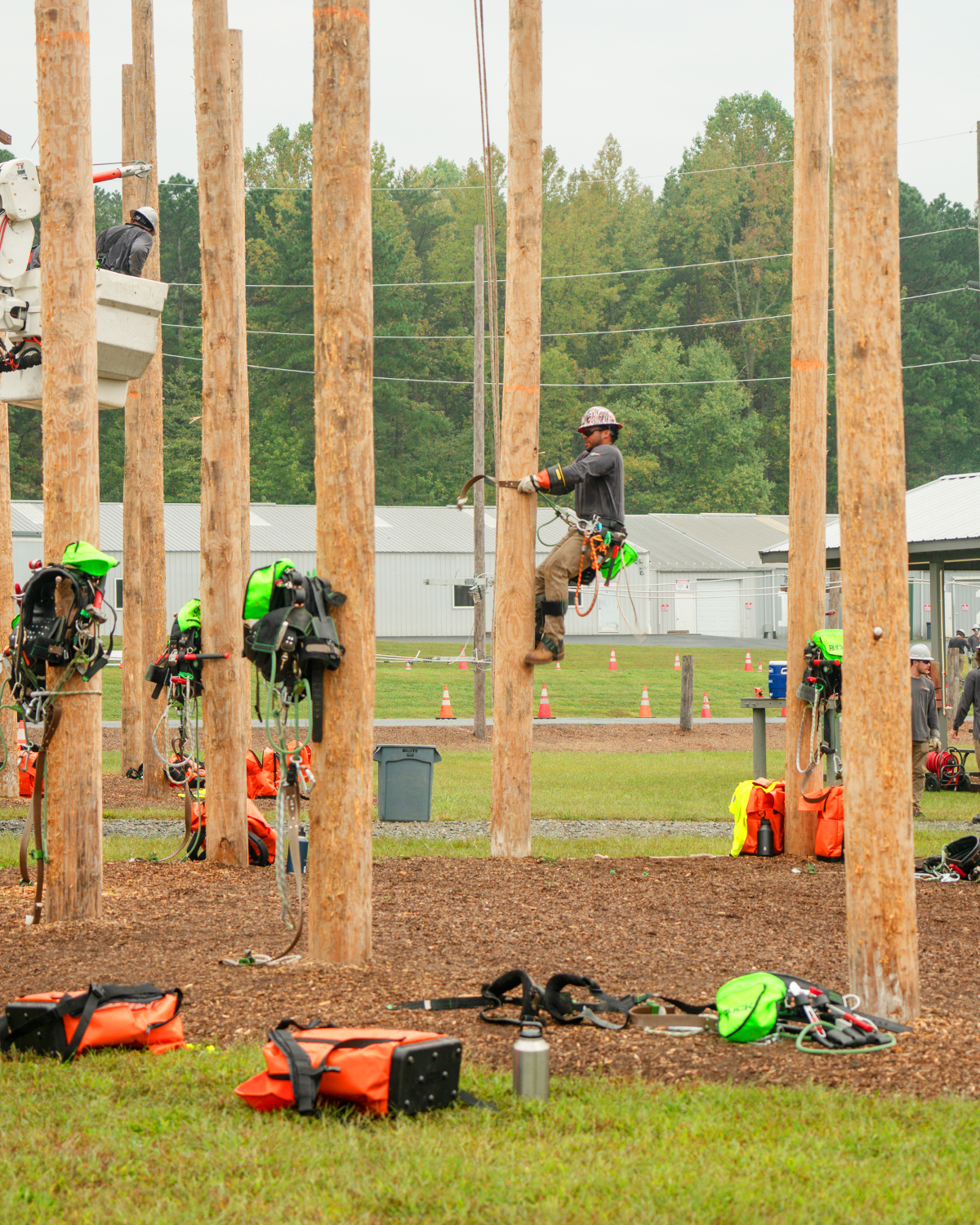
The cost of lineman school depends on the school, program length, included training, equipment, housing, CDL training, and career services. Utilitrain’s Electrical Lineman Program tuition is $21,370.
Students should look at more than just the sticker price. The better question is: What is included, and how well does the program prepare students for the utility industry?
Lineman school costs can vary because programs are built differently. Some schools may include CDL training, tools, safety gear, housing options, or additional certifications. Others may charge separately for certain items.
Students and parents should ask each school what is included before comparing programs.
Before enrolling in any lineman school, ask:
Utilitrain’s Electrical Lineman Program tuition is $21,370. The program is designed to prepare students for entry-level utility opportunities through hands-on training, classroom instruction, utility safety, CDL-related preparation, and career readiness.
For the right student, lineman school can be a strong investment. The best candidates are students who want to work outdoors, are comfortable with heights, can handle physically demanding work, and are serious about entering the utility trade.
Lineman school is not just about learning to climb. It is about learning how to work safely, follow instructions, understand job-site expectations, and become a stronger candidate for employers.
Utilitrain’s Electrical Lineman Program tuition is $21,370.
Lineman school is usually shorter than a four-year college degree, but costs vary by school. Students should compare tuition, fees, program length, housing, and included training.
No school should promise a guaranteed job. Utilitrain provides training and job placement assistance, but employment depends on student performance, employer needs, interviews, and hiring requirements.
Parents should consider program quality, safety, hands-on training, employer engagement, CDL preparation, student commitment, and whether the student truly wants this type of work.
Utilitrain is a private career school in Elkton, Maryland offering a 15-week Electrical Lineman Program, CDL training, and utility safety/specialty training for students and employers in the Mid-Atlantic region.
Utilitrain operates as a Private Career School under the approval of the Maryland Higher Education Commission (MHEC).


.png)

